
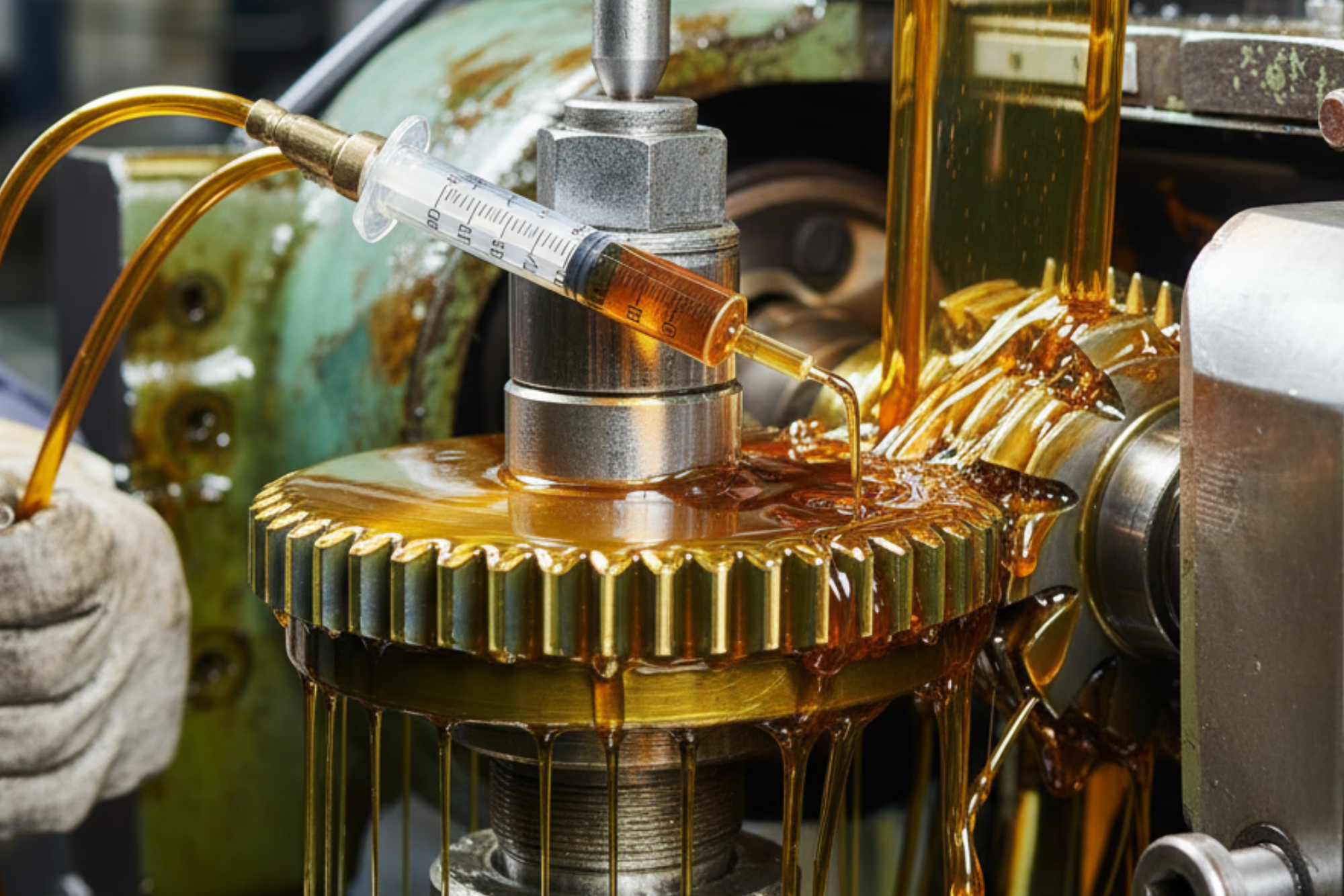
Lube Oil Analysis Services in UAE
Discover what lube oil analysis is, how it helps monitor machinery health, detect damage and debris, and extend equipment life through predictive maintenance.

What is Lube Oil Analysis?
Lube Oil analysis is a critical machine health monitoring tool to understand the condition of lubricating oils in engines, transmissions and other industrial components. By testing the oils for wear, particles, contaminants, and degradation, industries can find issues and correct them before they escalate into more significant problems. At assetconditionmonitoring.com, we offer expert oil testing that helps extend equipment life and reduce costly downtime.
How we perform lube oil analysis for clients:
- Sample collection: Sampling kits are supplied to collect samples directly from the equipment, following best practices to avoid contamination.
- Lab testing: The sample oils are tested in a certified laboratory for their viscosity, wear, contaminants such as water or fuel, oxidation, and additive depletion.
- Analysis: Our expert engineers interpret the collected data to assess the machine's health and oil condition.
- Reporting: The clients are provided with detailed reports with simple visuals, performance ratings, and recommendations.
- Continued Monitoring: We track the equipment on an ongoing basis to identify trends and optimise maintenance schedules to prevent unplanned downtime.
Benefits of engine oil analysis
Oil analysis is crucial for maintaining equipment reliability. By finding early signs of wear or oil degradation, unexpected failures, and costly downtimes can be prevented. This proactive approach improves safety and enhances overall operational efficiency. Let’s look at the benefits of engine oil analysis:
-
Detects early equipment wear
Timely detection of wear before it becomes an equipment failure.
-
Improves machinery and oil life
Engine oil analysis improves the equipment life and extends the service lifespan significantly.
-
Reduces maintenance costs
Proper and Regular oil testing helps detect debris and degradation, cutting repair expenses.
-
Prevents unexpected breakdowns
Spotting wear timely before failure helps prevent sudden unexpected operational shutdowns.
-
Identifies contamination
Detects harmful substances like water, fuel, dirt, or colland that can damage the components.
-
Aids data-driven maintenance
Provides actionable strategies to plan maintenance based on the real condition of equipment.
-
Tracks long-term equipment status
Monitors oil and machine to generate patterns and recurrent issues.
-
Improves efficiency and sustainability
Regular Oil analysis enhances performance, avoids energy loss, and minimizes environmental impact.
Our Services
At AssetConditionMonitoring.com, we provide advanced oil testing services to improve the performance and longevity of your critical equipment. Our in-depth diagnostics detect oil degradation and contamination, allowing you to act before failures occur. From routine monitoring to expert services, we help optimize your maintenance strategies, reducing operating costs and maximizing asset reliability. Our comprehensive services include:
Why Choose Us ?
As a trusted provider of Lube oil analysis services, assetconditionmonitoring.com delivers precision diagnostics and proactive maintenance solutions for industries. With the advanced testing technology, we help you monitor the health of your machinery and lubricants with utmost accuracy. Partner with us to gain an in-depth understanding of component wear, contamination, and overall system performance. We provide:
- Service consultation and sample collection
- Non-invasive diagnostics with no equipment shutdown
- Motor oil analysis and oil condition monitoring
- Maintenance planning and lubricant support
- Easy-to-read, actionable reports
- Root cause analysis
- Engine oil analysis and oil sample analysis
Frequently Asked Questions
What can lube oil analysis detect?
+
−
Lube oil analysis can detect contamination (water, fuel, dirt), wear particles from engine or machine components, oil degradation, and improper oil usage. It helps identify potential issues early, preventing sudden equipment failure.
How often should I perform oil analysis?
+
−
Oil analysis should be performed depending on factors such as equipment type, its criticality, and manufacturer recommendations. For critical machinery, monthly sampling is considered ideal. Regular oil analysis is beneficial for companies focusing on a proactive approach. The frequency of sampling may vary from equipment to equipment.
Is lube-oil analysis expensive?
+
−
No, lube oil analysis is comparatively inexpensive to the cost of equipment repairs or failures. Generally, Oil analysis cost depends on the lab and the test scope.
What is the proper method for collecting an oil sample?
+
−
Use a clean, dry sampling bottle. Take the sample while the engine or machine is running or just after shutdown to make sure the oil is well mixed. Avoid collecting from the drain plug; use a vacuum pump or a live sampling port if available.