
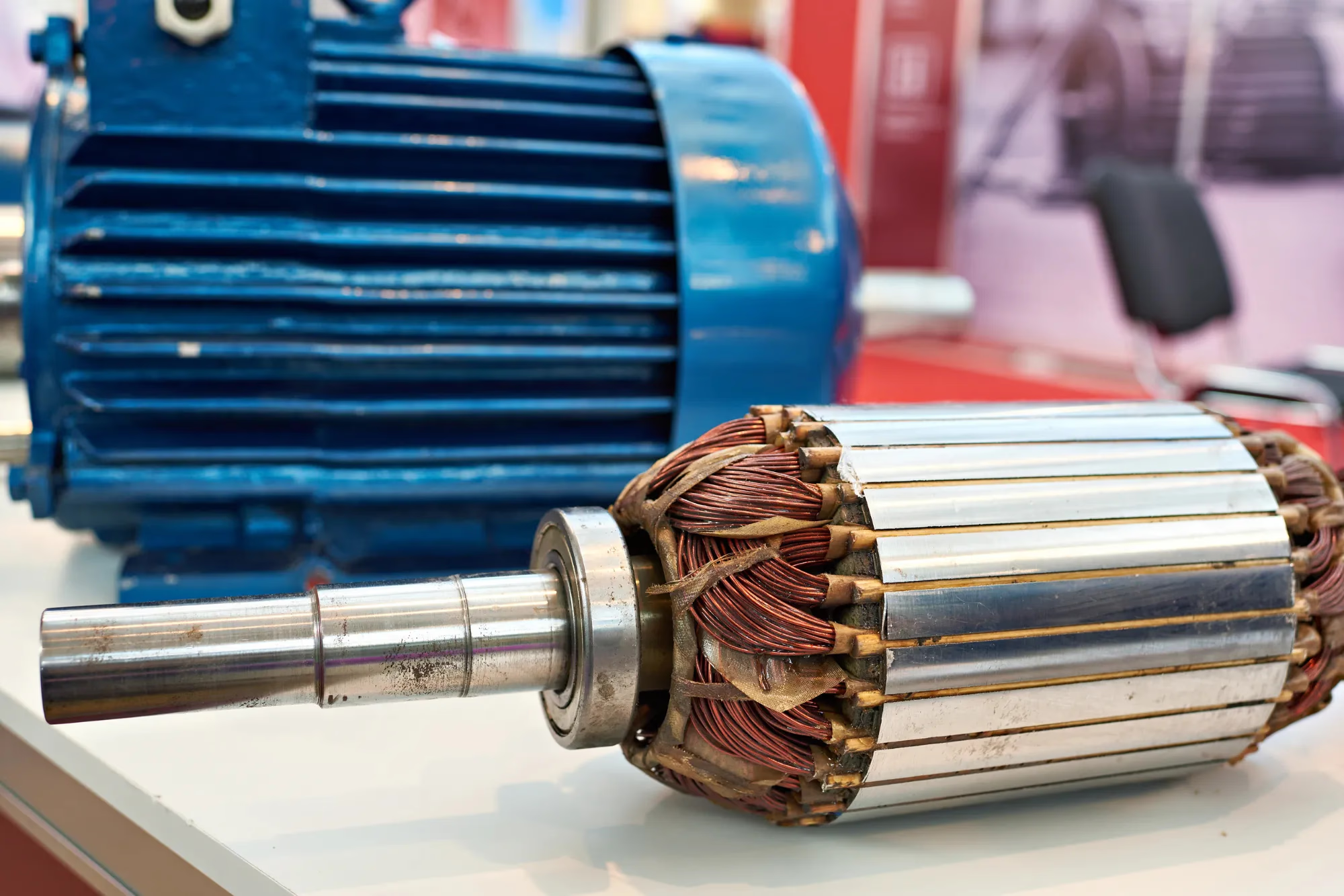
Motor Winding Resistance Test in UAE
Maintain Peak Motor Performance with a Professional Winding Resistance Test
At Asset Condition Monitoring, we specialize in precision testing to keep your motors reliable, efficient, and safe. Our Motor Winding Resistance Test identifies hidden faults such as shorted turns, open circuits, or poor connections before they lead to costly breakdowns.

What is Motor Winding Resistance?
Motor winding resistance is the direct current (DC) resistance of the copper or aluminum wire inside a motor's coils. It is a fundamental parameter that directly impacts efficiency, performance, and lifespan. Measuring winding resistance ensures that your motor operates within safe limits and that its windings remain balanced.
Why is Winding Resistance Testing Crucial?
Winding resistance testing helps identify:
-
Shorted or open turns in coils
-
Loose or corroded connections
-
Phase imbalances in 3-phase motors
-
Incorrect winding or poor workmanship
-
Insulation deterioration (when combined with other tests)
By detecting these issues early, you can prevent unplanned downtime, avoid costly repairs, and extend motor service life.
When Does Your Motor Need Winding Resistance Testing?
Motor winding resistance testing is crucial for maintaining optimal machine performance. In addition to regular inspections, consider booking a test if you notice any of the following:
Overheating or burning smells
Tripping of circuit breakers or fuses
Excessive noise, humming, or vibration
Reduced torque or efficiency
Frequent motor failures or downtime
Steps of a Motor Winding Resistance Test
At assetconditionmonitoring.com, we help industries protect their investments with accurate and professional motor testing services.
Maintaining Motor Windings
To maximize motor performance:
- Keep motors clean, dry, and well-ventilated
- Avoid overloads and voltage imbalances
- Perform scheduled resistance checks
- Maintain proper lubrication and alignment
- Record and track test results over time
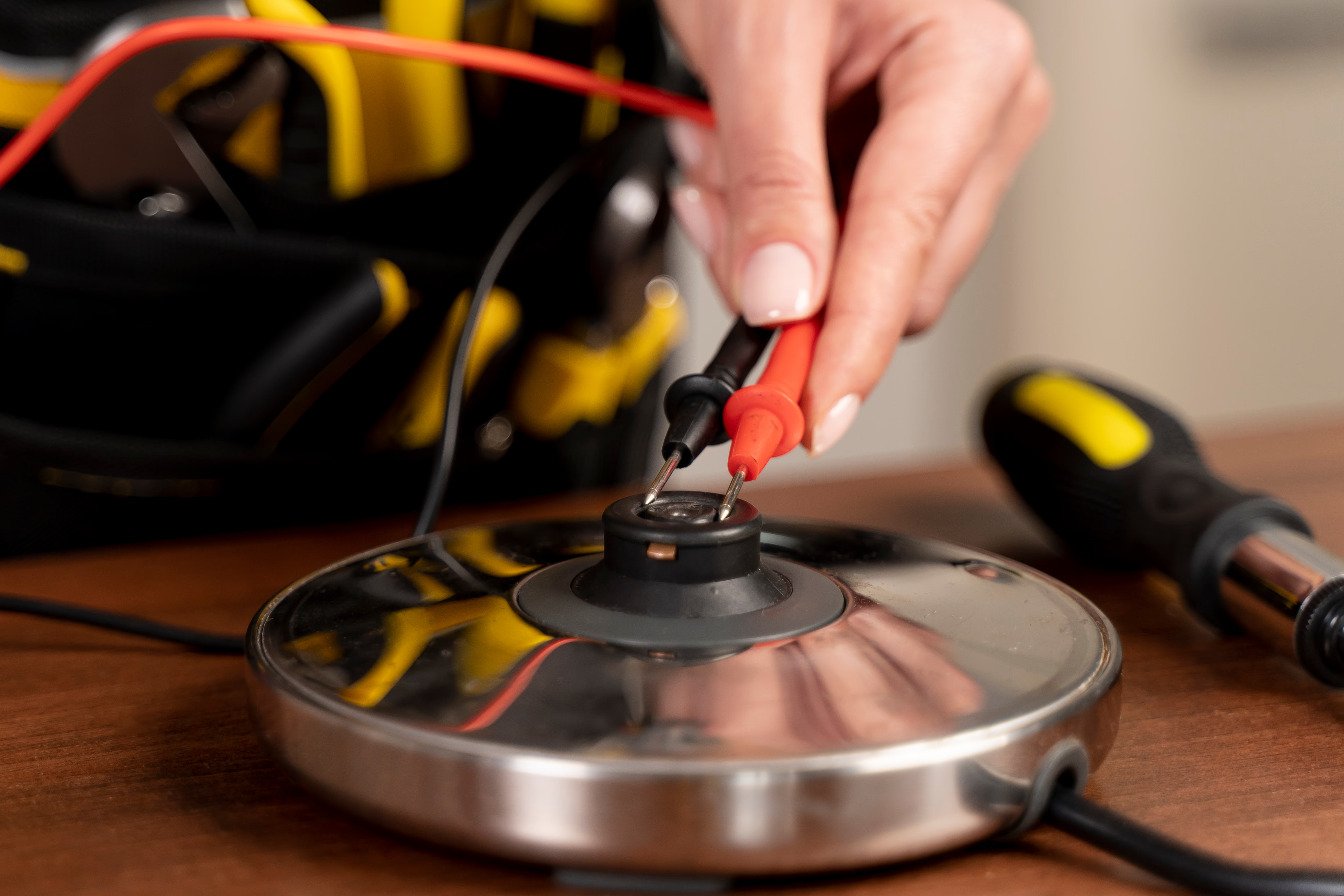
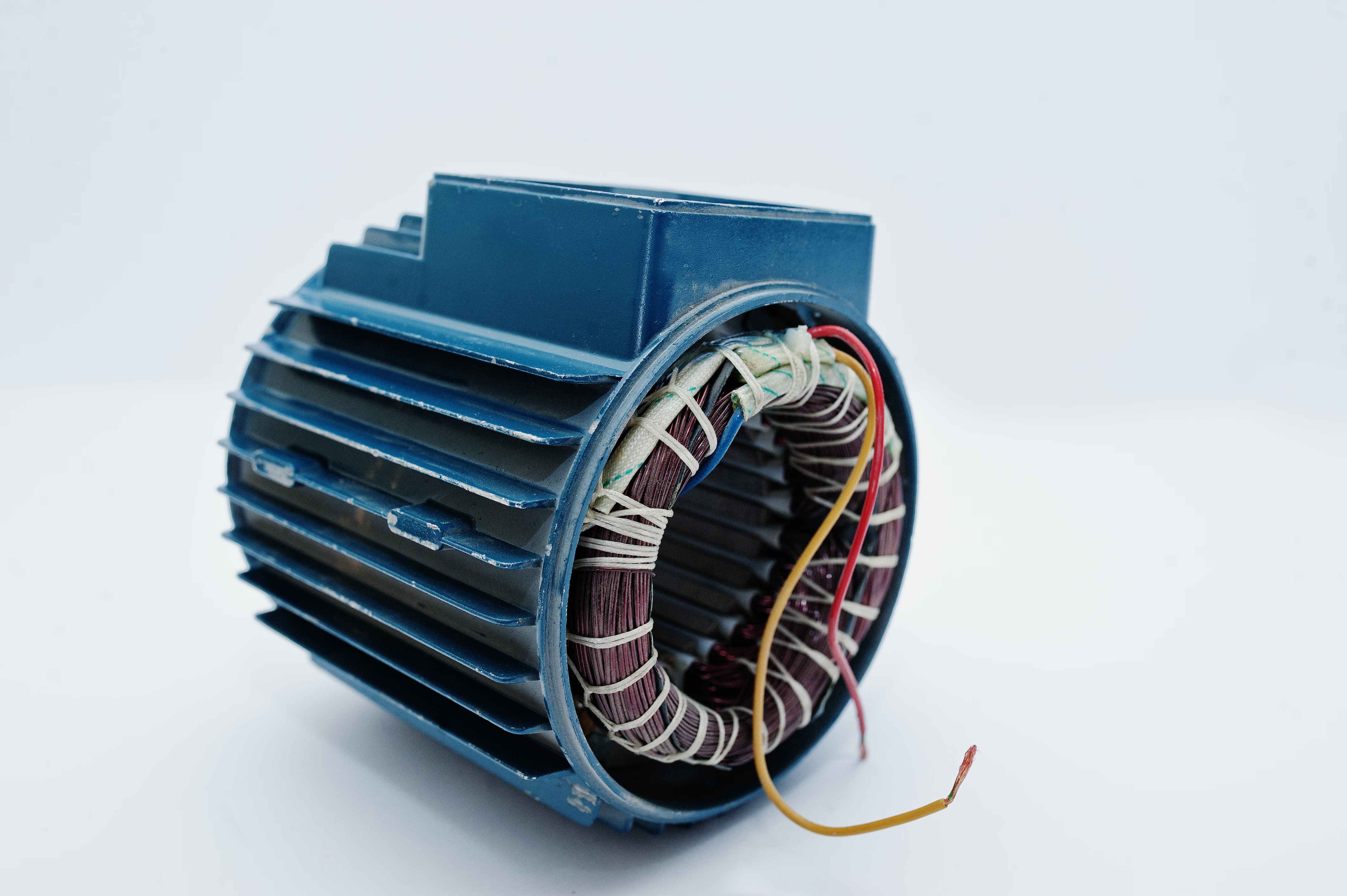
3-Phase Induction Motor Winding Resistance
In 3-phase motors, resistance must be:
- Balanced across all three phases (within 2–3%)
- Consistent with manufacturer specifications
- Corrected for temperature to ensure accuracy
Any imbalance or abnormal value is a clear indication of internal issues requiring immediate attention.
Tools used for Motor Winding Resistance test
- Precision low-ohm meters (e.g. , digital micro-ohmmeters)
- High-potential (Hi-Pot) testing equipment
- Certified calibration equipment
- Insulation testers (meggers)
- Temperature compensation instruments
Why Choose Us?
- Expertise in industrial motor diagnostics
- Advanced, calibrated test equipment
- ISO-compliant testing procedures
- Comprehensive reporting and recommendations
- Onsite or workshop-based testing services
Frequently Asked Questions
How much resistance should a motor winding have?
+
−
The resistance of a motor winding should always be a small, finite value, never zero. For small motors, it is usually in the range of a few ohms. For medium motors, it falls in the fraction of an ohm range. For large motors, it is typically in the milliohm range. Regardless of size, the winding resistances must be balanced across all phases within about 2 to 3%.
What is the winding resistance test?
+
−
A winding resistance test measures the electrical resistance of a motor’s windings (coils) to check their condition.
What is the winding resistance of a 7.5 kW motor?
+
−
In general, 7.5 kW motors have low winding resistance, typically ranging from a few milliohms to a few ohms. For three-phase motors, all windings should be nearly equal, with deviations kept within 2–3%, ensuring balanced performance and safe operation.
How many ohms is a 3-phase motor?
+
−
A three-phase motor winding normally has 5 to 50 ohms, depending on the power and design of the motor.